Slitting Blades: Uninterrupted Production in the Foil, Film, and Textile Industries
Efficiency in modern industrial production lines is directly related to the quality of the equipment used. Especially in facilities processing delicate materials like foil, film, plastic packaging, and textiles, cutting the material to the exact width smoothly is of vital importance. This is where slitting blades come into play, forming the heart of the production line. An incorrect or low-quality blade choice not only leads to material waste but also causes machine downtime, creating significant time and cost losses.
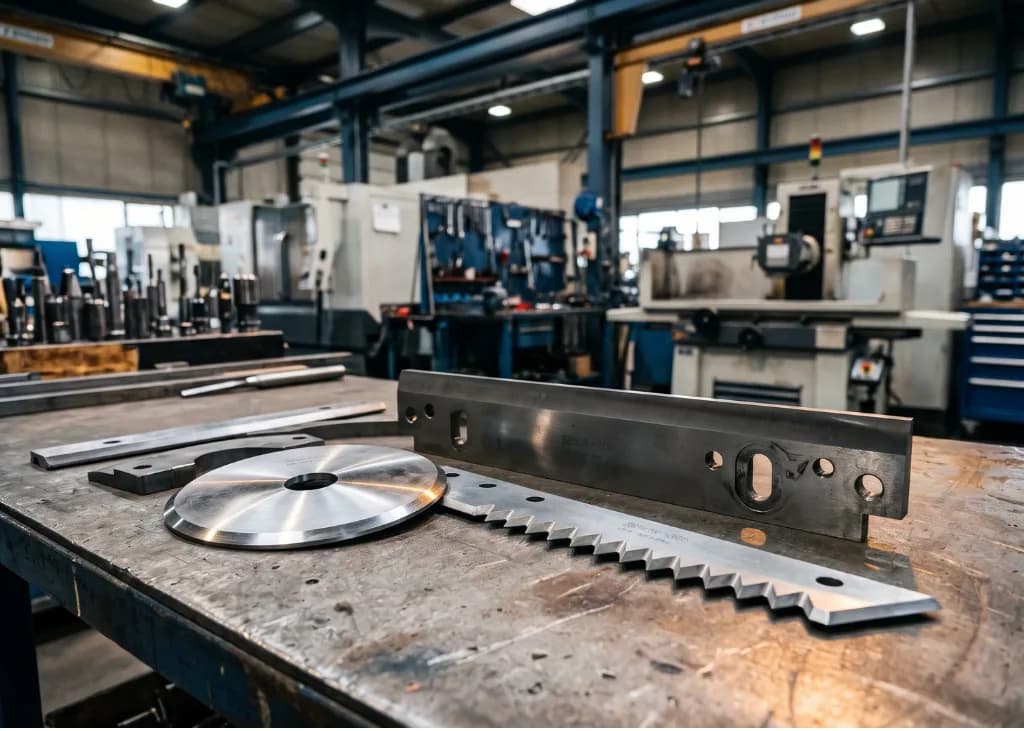
Industrial slitting processes require different cutting dynamics depending on the material type, thickness, and production speed. There are specially designed blade forms for different slitting methods such as shear slitting, razor slitting, and crush/score slitting.
The Importance of Precision in the Foil and Film Industry
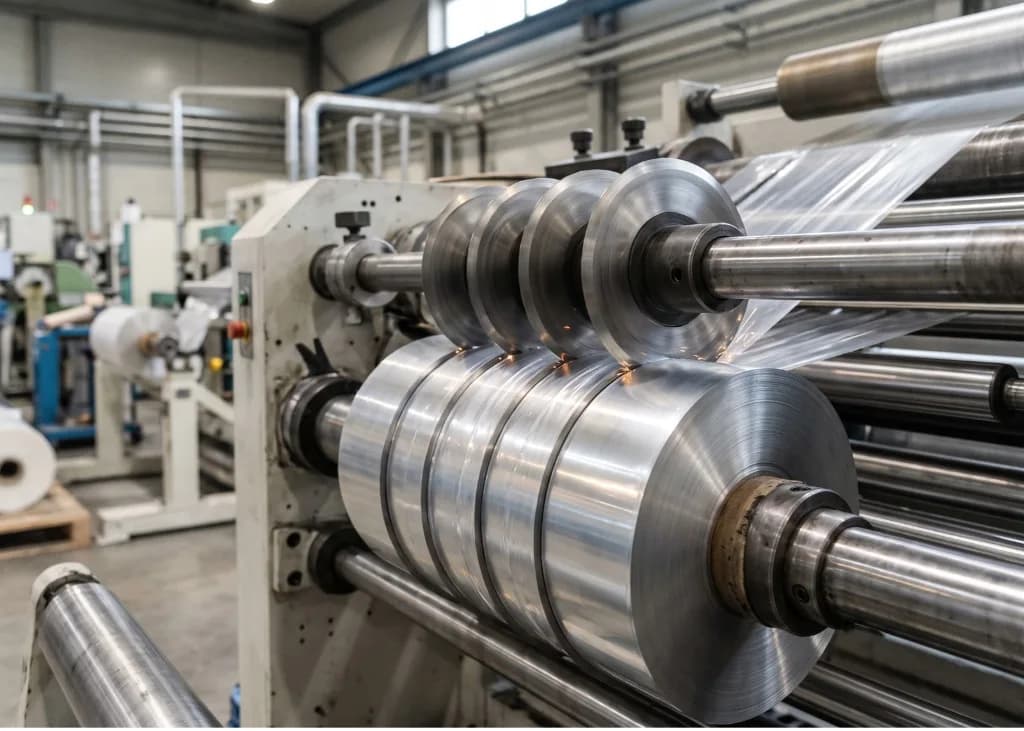
Plastic film, stretch film, aluminum foil, and laminated packaging materials are highly susceptible to stretching, tearing, or melting from friction heat by nature. The slitting blades used in these industries must have extraordinary surface smoothness and sharpness. Even microscopic burrs that may occur during cutting can cause web breaks or edge defects when the film is wound.
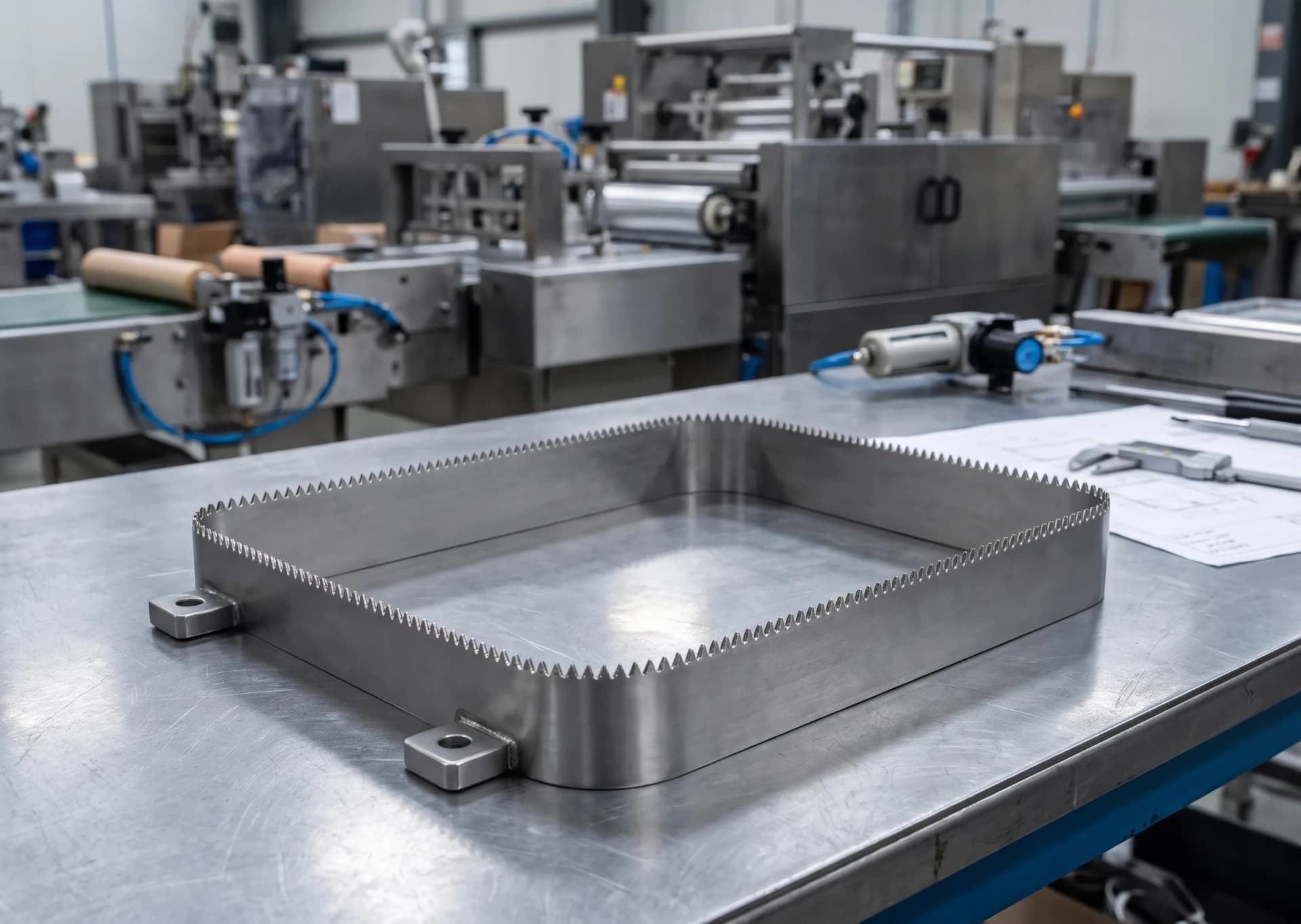
A properly designed blade maintains the integrity of the material even at high speeds. Blades manufactured from high wear-resistant steels or carbide materials maintain their sharpness for long hours, meeting the standards of industrial slitting blades for plastic film, ensuring the production line runs continuously. Whether you need standard cuts or specific foil slitting blades, precision is the key to minimizing waste.
Smooth Edges and Clean Cuts in the Textile Sector
In the textile and non-woven fabric industry, slitting fabrics to the desired widths determines the quality of the final product. The texture of the fabrics can pave the way for threads to fray or edges to deform during cutting. Therefore, a blade must make a clear cut in a single pass without damaging the fabric's structure.
Textile cutting circular blades are among the most preferred types in this sector. Working with continuous rotation, these blades glide over the fabric, leaving a smooth surface. The correct angle and pressure applied by the blade to the material during cutting prevent the material from stretching, reducing measurement deviations to zero.
Uninterrupted and Reliable Production with Snijer Quality
Specializing in industrial blade manufacturing, Snijer offers specific solutions for demanding production lines where standard blades fall short. As a globally recognized custom slitter knives manufacturer, our company combines material science with engineering to produce blades optimized for the specific needs of our clients.
The quality of the steel from which the blade is produced, the applied heat treatment technology, and grinding precision constitute the core philosophy of Snijer slitting blades. Our goal is to minimize machine downtime in our customers' production lines and keep cutting quality at the highest level. Our products, designed to cut challenging materials across various industries, offer a lasting sharpness profile.
Whether you are in a high-speed film extrusion line or a delicate textile processing facility, investing in the right cutting tools is always a strategic move that pays for itself. A high-quality slitting blade unleashes the true performance of your machine.
For your industrial cutting needs, you can get in contact with our expert team to discover the most suitable blade solutions for your project.
Frequently Asked Questions
What material properties should be considered when choosing a slitting blade?
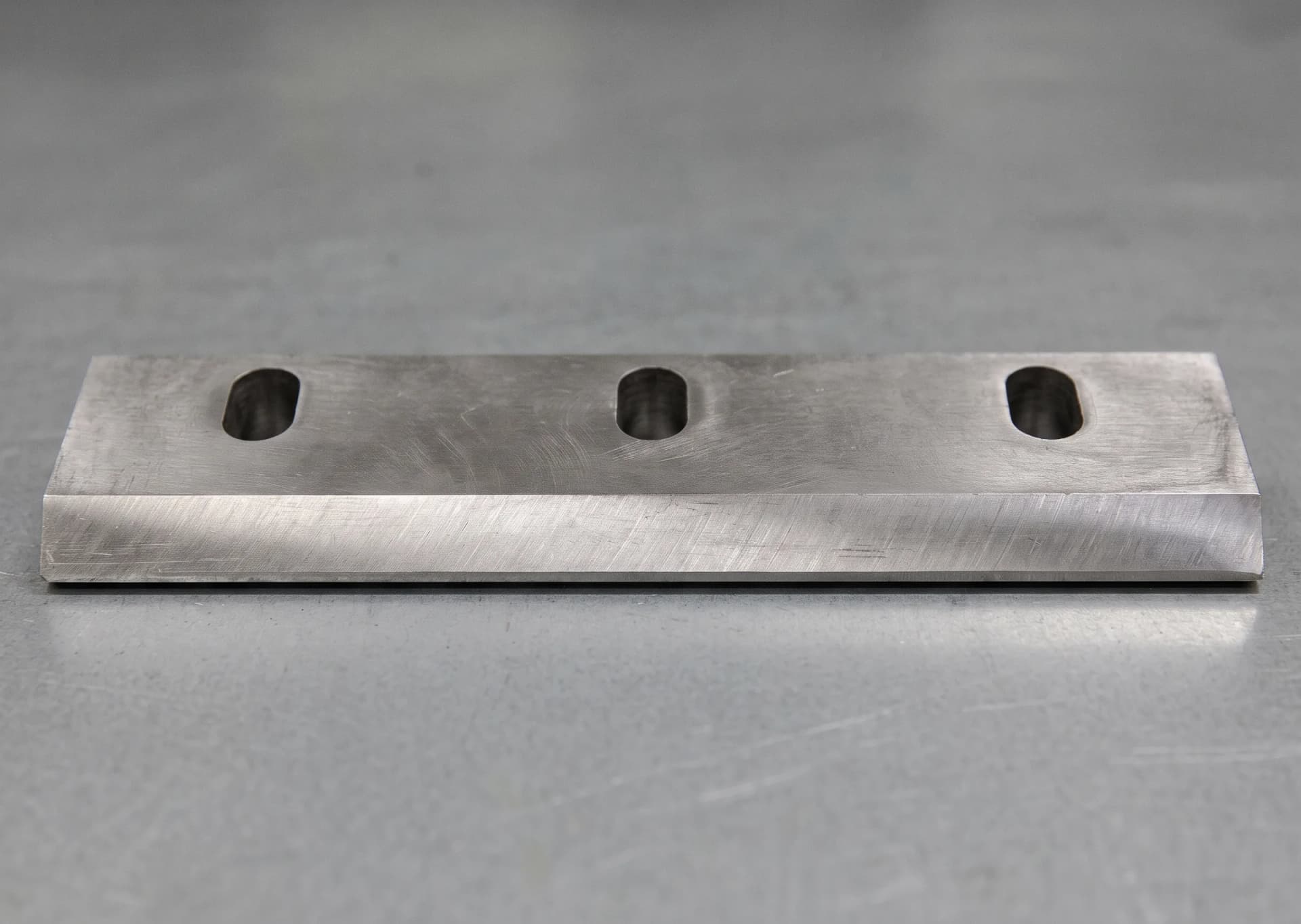
The choice should be made based on the industry in which the blade will be used and the hardness of the material to be cut. While sharpness and smoothness stand out for materials like plastic film or foil, carbide or special alloy tool steels (such as HSS) that provide high wear resistance should be preferred for thicker and abrasive materials. The heat treatment applied and the hardness level directly determine the lifespan of the blade.
What is the difference between crush slitting and shear slitting?
In shear slitting, a top and bottom blade work like scissors, catching the material between them and cutting it; this provides very clean edges for paper, foil, and thin plastics. In crush/score slitting, the top blade applies pressure against an anvil roller, crushing and separating the material; this is generally suitable for non-woven fabrics, thick papers, and adhesive tapes.
What determines the dulling time of industrial slitting blades?
The dulling time depends on the chemical structure of the material being cut (e.g., whether it contains abrasive fillers), the operating speed of the production line, the cutting pressure applied to the blade, and the quality of the steel used in manufacturing the blade. Regular maintenance, correct blade angle adjustment, and the use of blades manufactured to high-quality standards like Snijer extend the dulling time.