Custom Industrial Blades: Why Bespoke Cutting Solutions Are Essential for Your Production Line
In today's competitive industrial manufacturing environment, every detail is expected to function flawlessly. The slightest disruption or performance drop in production lines leads to time losses while increasing costs. Right at the heart of these complex systems lies a part that is usually small but has a massive impact: Industrial blades.
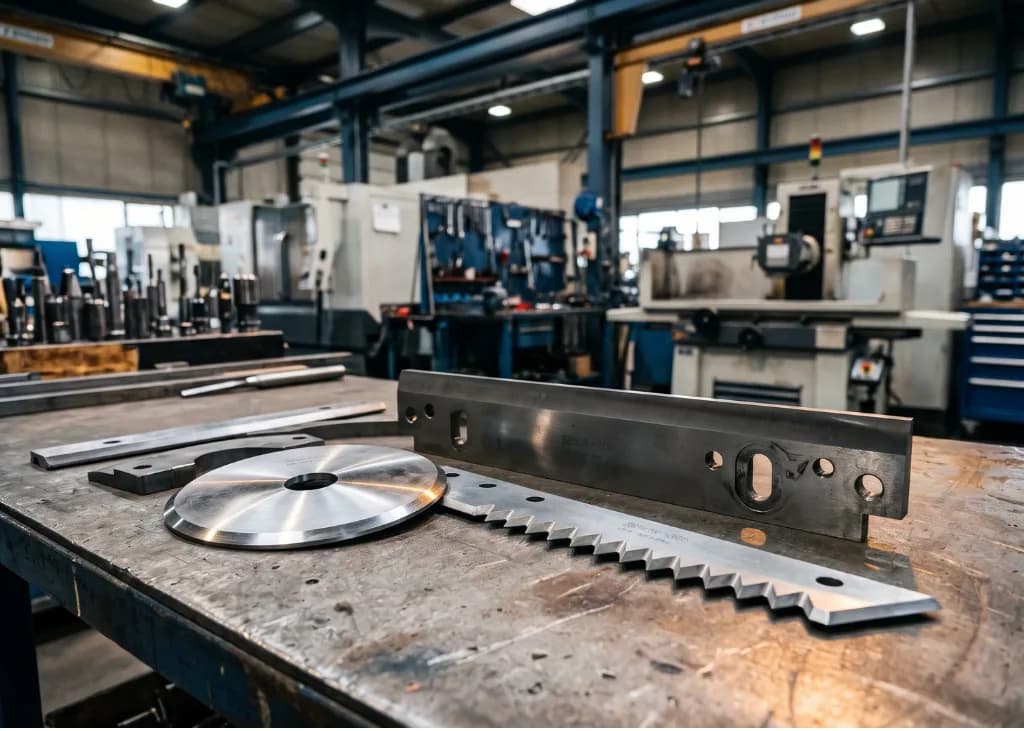
Although many businesses prefer to use standard, off-the-shelf machine knives during their production processes, developing material technologies and specific production needs have made finding a reliable custom industrial blades manufacturer a necessity rather than a luxury. Designed completely in accordance with your business, the material you cut, and the working dynamics of your machine, these custom cutting solutions are the hidden heroes of your production line.
So, why is it so important to go beyond standard blades and have custom machine knives produced specifically for your company?
Why Are Standard Blades Not Always Enough?
Standard machine knives are produced for average speeds and standard materials, considering general usage scenarios. However, no industrial facility aims to do "average" production. Factors such as the thickness and chemical structure of the material being cut, the speed of the production line, and the ambient temperature vary from factory to factory, or even across different lines within the same factory.
A standard blade dulls faster when cutting a tough material. A dull blade causes burrs, tears, or rough edges on the cut product. This situation not only reduces product quality but also shortens the overall life of the system by placing extra load on the machine motors. Stopping the line constantly to change blades is reflected in the balance sheets as an invisible cost item.
The Critical Advantages of Custom Cutting Solutions for Your Production Line
Custom industrial blades, produced by passing through an engineering filter according to the needs of your company, are a direct and powerful intervention in the production process.
1. Material-Specific Steel and Alloy Selection
Not every cutting operation requires the same steel. While stainless steels with high corrosion resistance are at the forefront in the food industry, Tungsten Carbide or special tool steels with the highest level of wear resistance can be preferred in plastic recycling lines. During the custom production process, the most suitable raw material is selected for the hardness, stickiness, and abrasiveness of the material you will cut.
2. Flawless Geometry and Cutting Angle
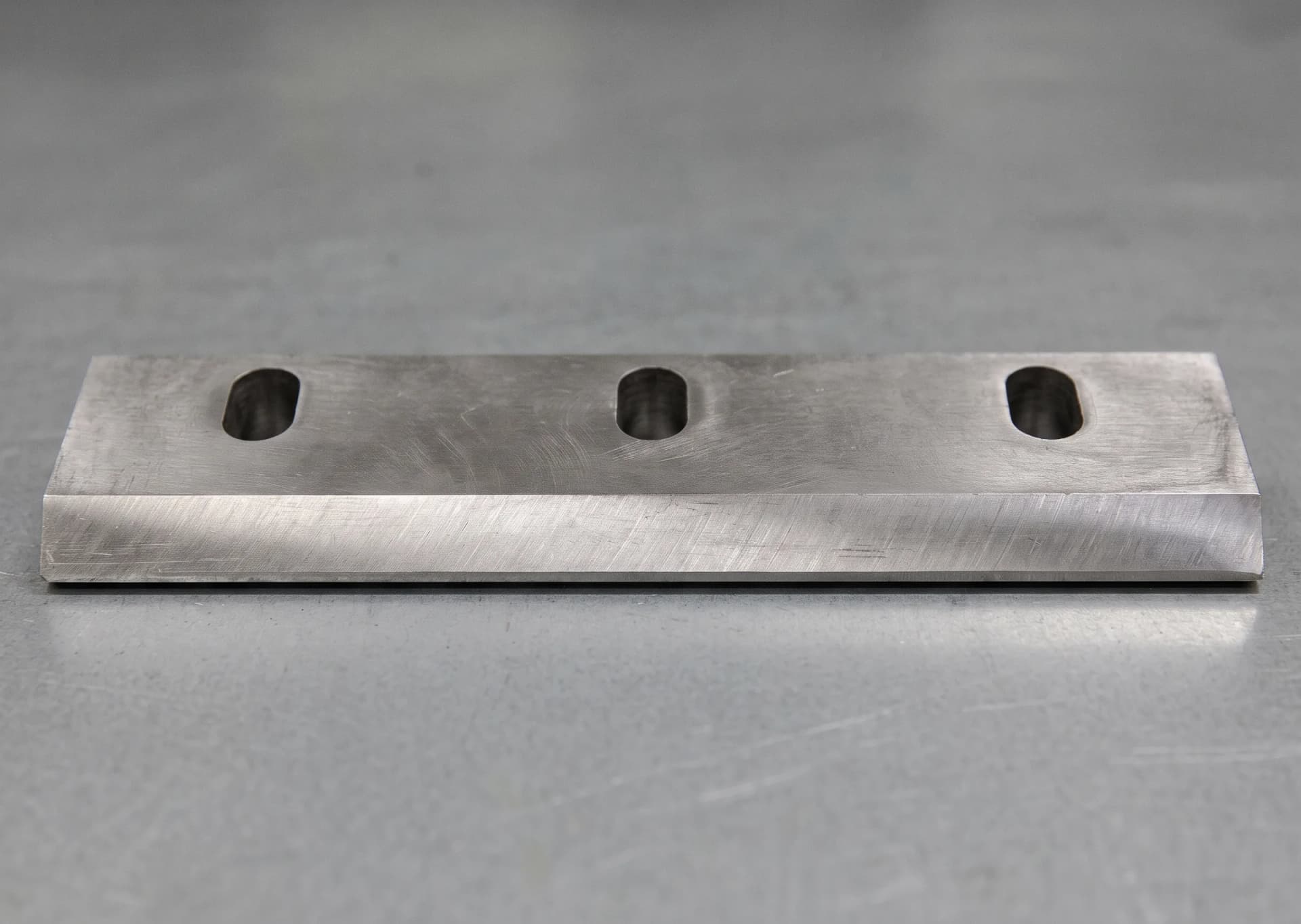
One of the most important factors determining the cutting quality of a blade is the edge angle and geometry. Standard blades are sharpened according to general rules. In custom production, microscopic angles that will perform the cut with the least resistance without damaging the molecular structure of the material are calculated. A clean and smooth cut directly increases your brand's quality perception.
3. Reducing Downtime
In industrial facilities, time is literally money. Stopping the production line for blade replacement, maintenance, and repair is the least favorite scenario for businesses. Blades custom-produced for your facility show superior resistance to dulling when combined with the right material and the right coating technologies.
Which Sectors Need Custom Machine Knives the Most?
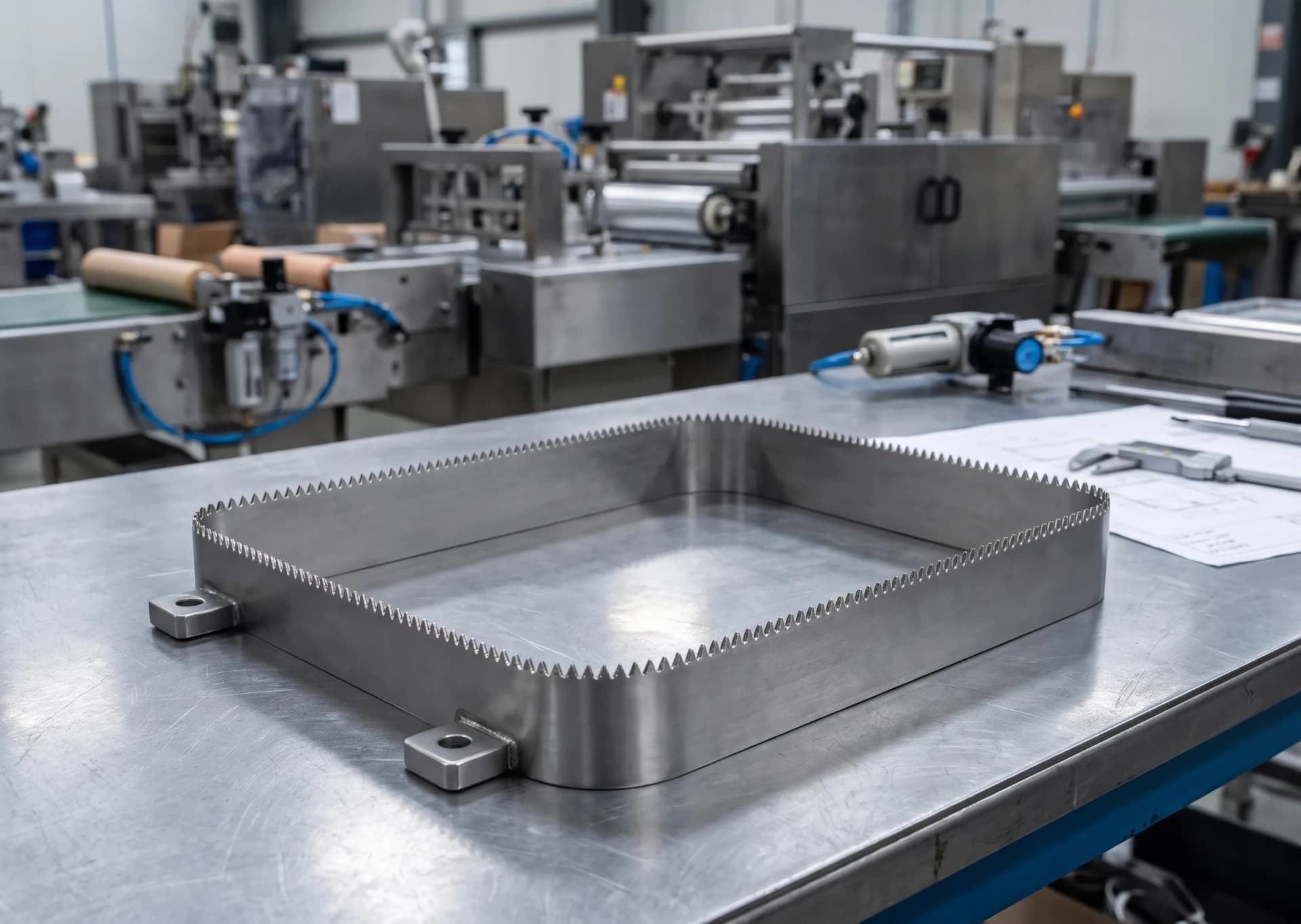
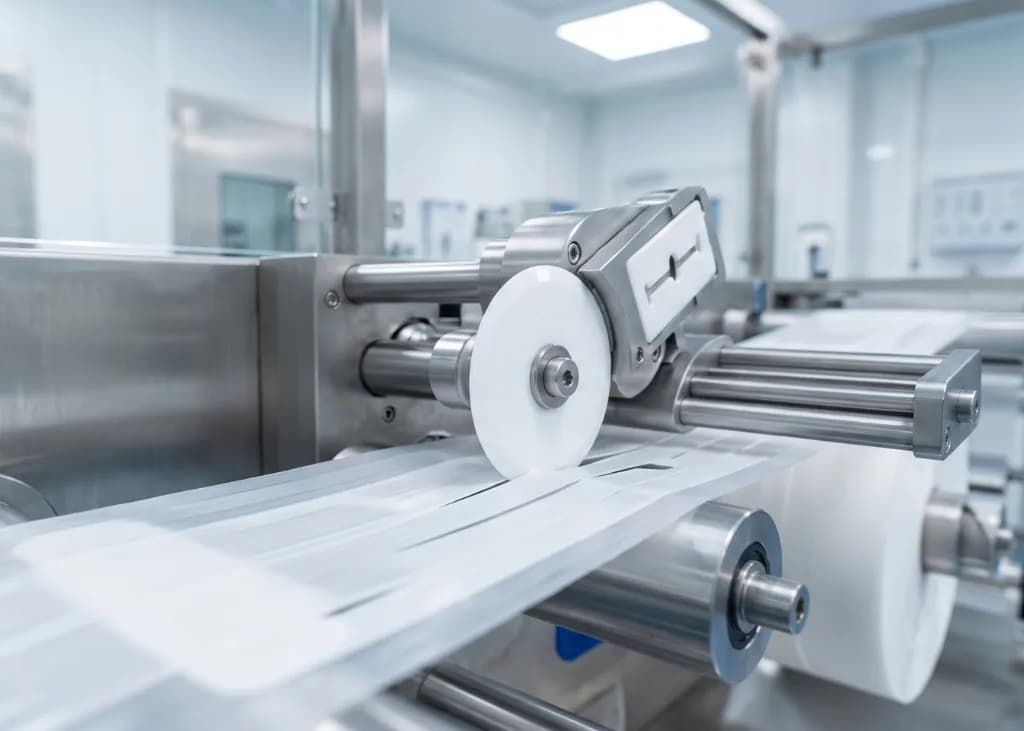
- Packaging: In fast production lines, films, foils, and cardboards must be cut flawlessly within milliseconds. Providing bespoke cutting solutions for packaging is vital; the slightest error causes the package to take in air and the product to spoil.
- Plastic and Recycling: Granulators and crushers struggle with extremely hard waste. Custom alloy blades with high impact resistance that will withstand these harsh conditions are essential.
- Food Processing: Meeting hygiene standards, easy cleanability, and corrosion resistance against acidic foods make the customization of food sector blades mandatory.
Reaching the Right Cutting Solution with Snijer
Working with a partner who understands the unique production dynamics of your business and approaches these dynamics with scientific engineering solutions is the guarantee of your production quality. As Snijer, we push the limits of standards with our deep experience in different branches of the industry. We listen to your production challenges, analyze all data from the type of material to be cut to your working speed, and produce the most suitable "tailor-made" industrial blades for your factory.
You can contact our expert engineering team for your projects to get detailed information about our special cutting solutions most suitable for your company and production line.